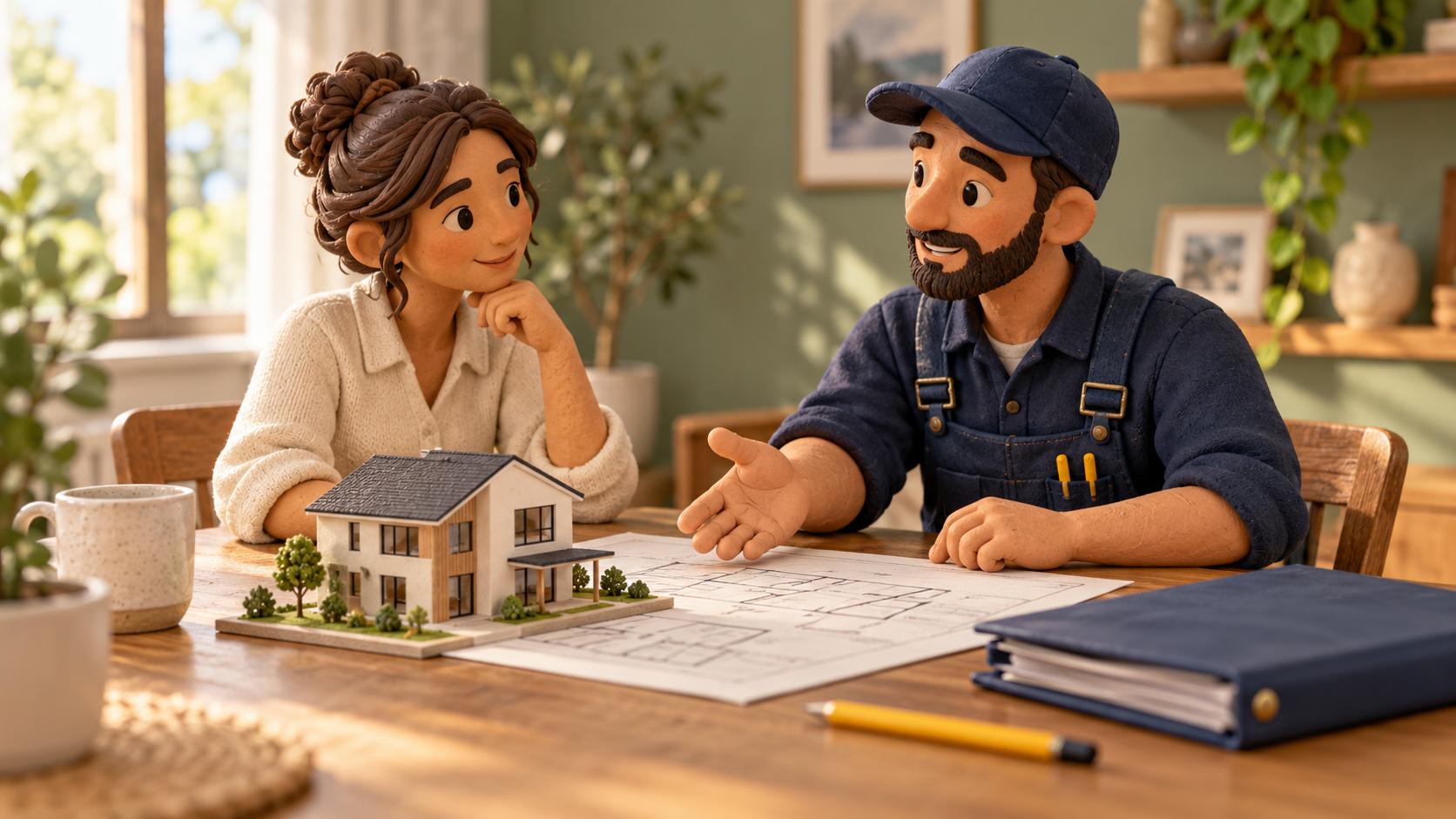
A Clear Brief for Your Next Home Project
Turn your ideas into a useful project description with photos, priorities and a few practical details.
Luca Tozzini · Oct 25, 2026
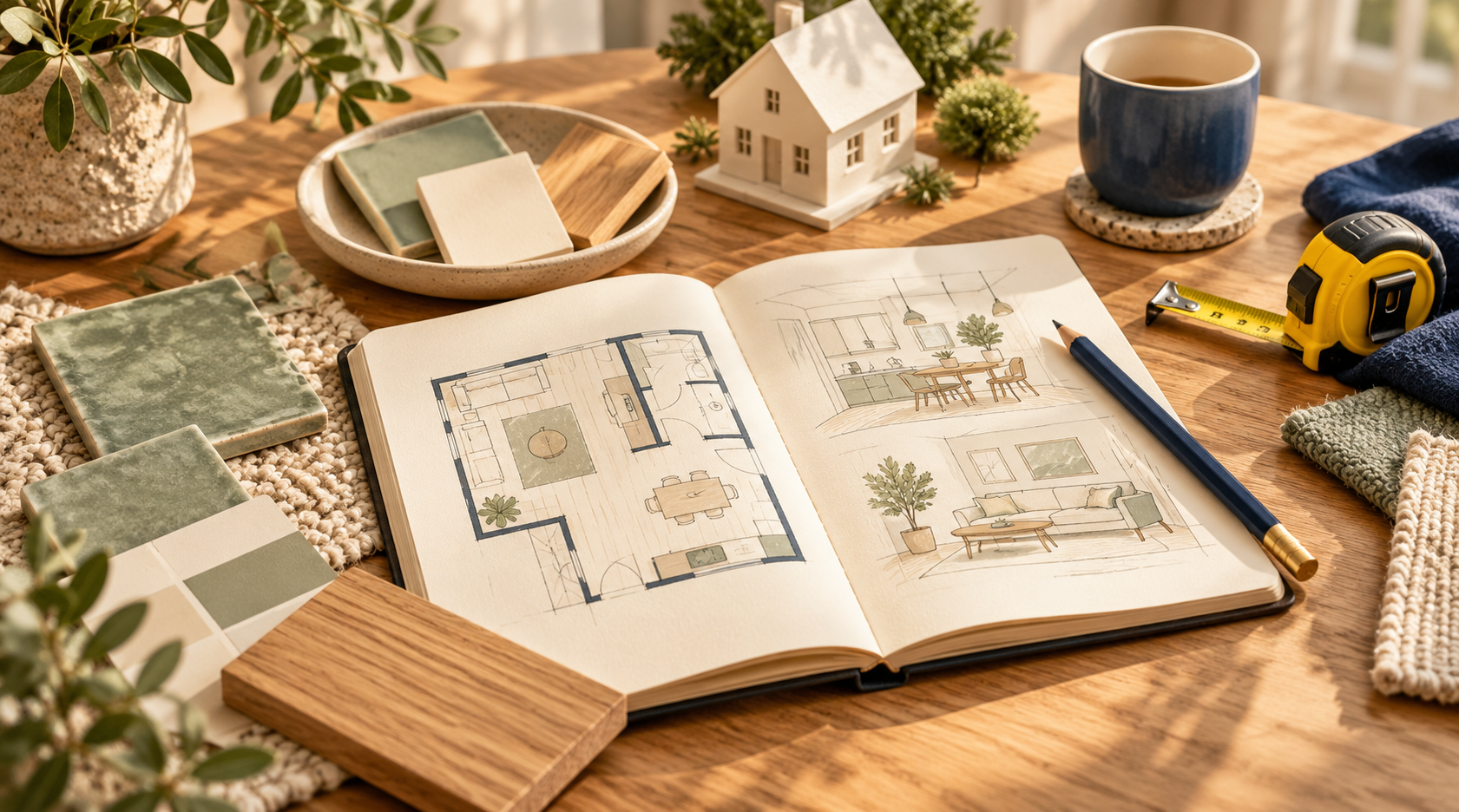
You don't need technical drawings or the right trade vocabulary to start a conversation about work on your home. A useful brief explains what you want to change, what the space is like now and what matters most to you.
Describe the result you want
Start with the problem in everyday language. “We need more storage in a small kitchen” gives a contractor a better starting point than a list of products without context.
Separate the essentials from the nice-to-haves. If keeping an existing floor or finishing before a particular date matters, say so early.
Gather photos and basic measurements
Take a wide photo that shows the whole area, then closer photos of the parts you want to discuss. Include nearby doors, windows or fittings when they affect the layout.
Add approximate dimensions if you can measure the space easily. Label them as approximate so the contractor knows to confirm them during a visit. Keep personal documents and identifying details out of the photos.
Explain the practical details
Include the information someone would need to plan a visit and understand the job:
- The type of property and the room or outdoor area involved.
- Whether the space will stay in use during the work.
- Any access, parking or working-hour constraints you already know about.
- Whether you've chosen materials or would like suggestions.
- Your preferred timing and how flexible it is.
If something is uncertain, write “to be discussed” instead of guessing.
Use a simple project brief
Copy these prompts into your notes:
- The job: What needs changing or repairing?
- The result: What would a successful outcome look like?
- The space: What are its approximate dimensions and current condition?
- The priorities: What must be included, and what is optional?
- The logistics: When would you like the work done, and what affects access?
- Open questions: What do you need a contractor to help you decide?
Keep everyone working from the same description
Share the same brief and photos with each contractor. Keep a note of any decisions made during visits and update the brief when the plan changes.
Once the responses arrive, our guide to comparing contractor quotes can help you work through the details.